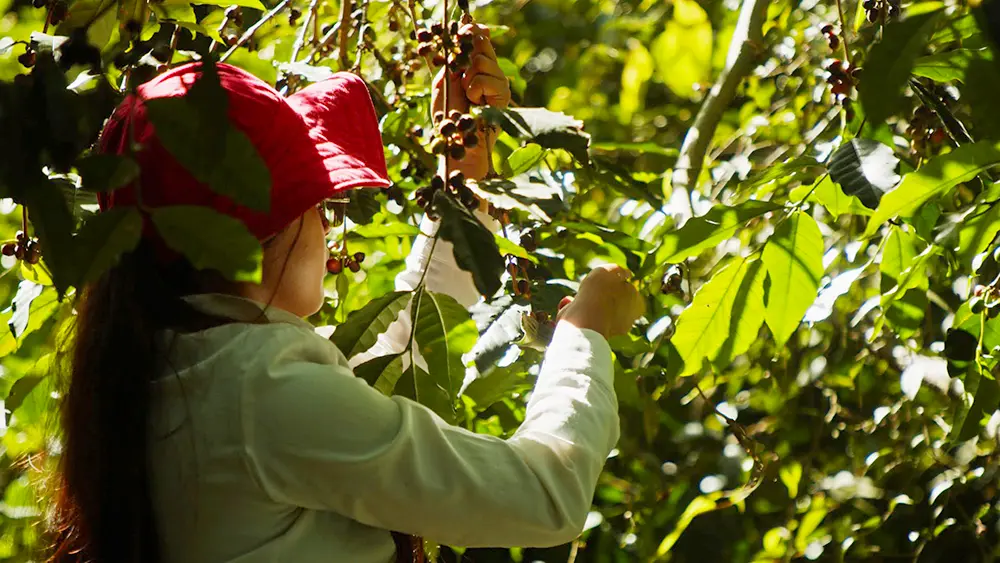
Forest-grown coffee
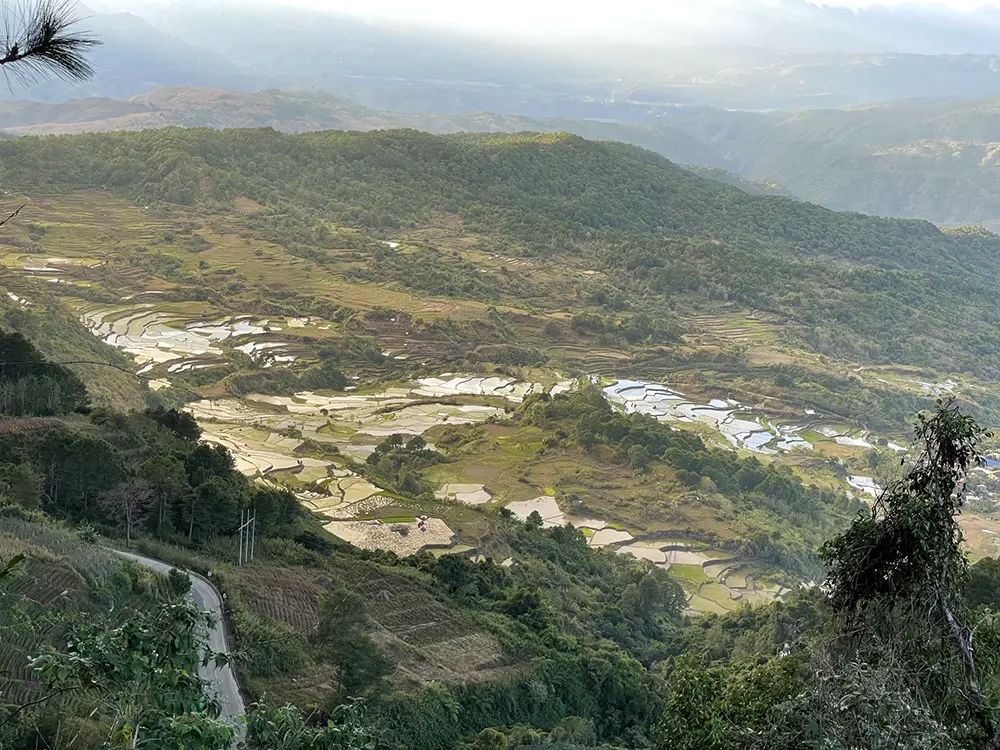
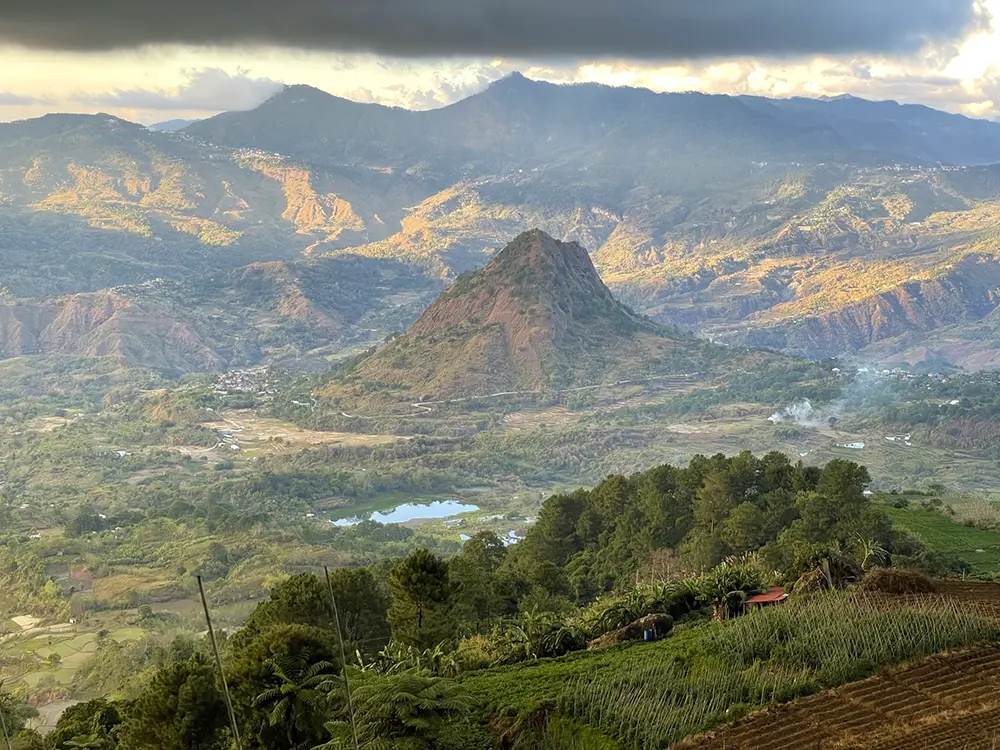
The Cordillera region in northern Luzon, Philippines, is a mountainous area with peaks over 2,000 metres high. Indigenous peoples living in this region have been hindered by harsh natural conditions and have been left behind in terms of infrastructure development and other progress. They have maintained a simple lifestyle centred on rice farming in terraced fields for a long time.
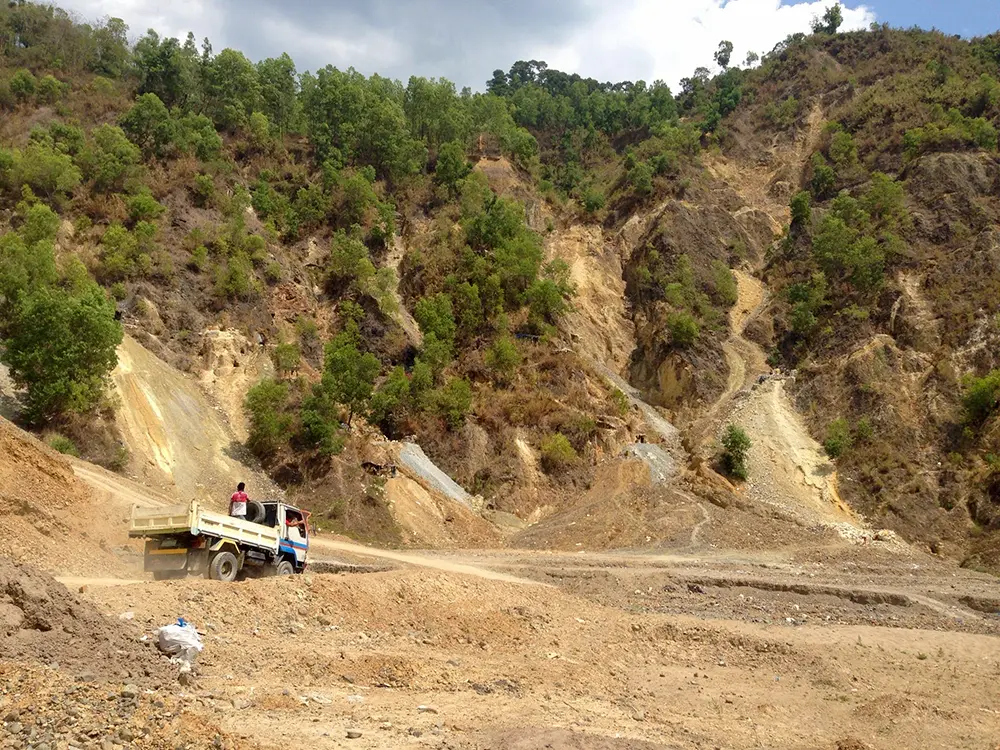
However, the expansion of the market economy into mountainous regions over the past thirty years has transformed the lives of indigenous peoples, making them dependent on cash. They have cleared forests to make way for commercial vegetable farms and have been employed by mining companies to extract mineral resources, using illegal drugs during the refining process. In order to earn an income, they have had no choice but to engage in activities that destroy their rich natural resources.
The Cordillera Green Network (CGN) is an environmental non-governmental organisation (NGO) established in 2001. Based in Baguio City, it is located in the heart of the Cordillera region. Our aim is to conserve the natural resources of this mountainous area. At the same time, we have proposed ways for the indigenous people living there to earn an income with less environmental impact. We believe that environmental destruction can only be prevented if indigenous peoples living in nature change their behaviour of their own volition.
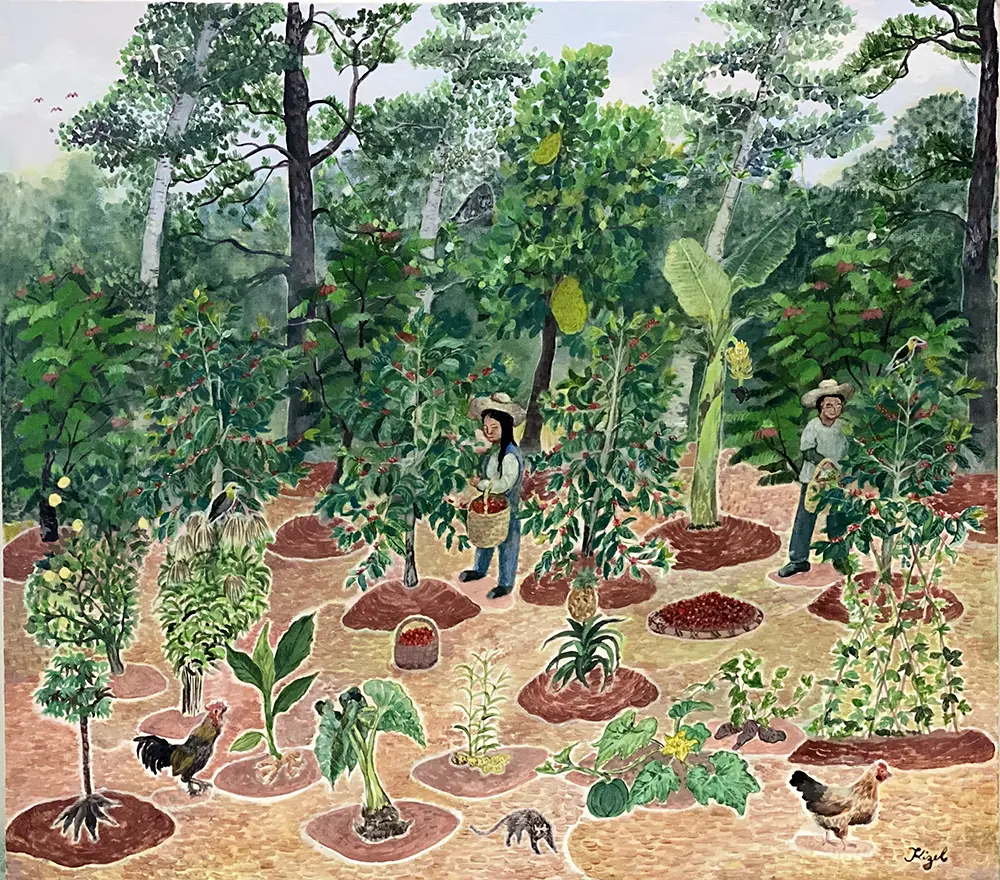
In 2006, CGN first provided the remote mountain community of Sagpat in Benguet Province with agroforestry guidance and distributed seedlings. Agroforestry combines the terms ‘agriculture’ and ‘forestry’, and refers to a sustainable land use system that cultivates trees, crops, and livestock on the same ground. Through the cultivation of multiple crops and trees, agroforestry diversifies ecosystems while generating income from crops and livestock, providing significant economic, environmental, and social benefits.
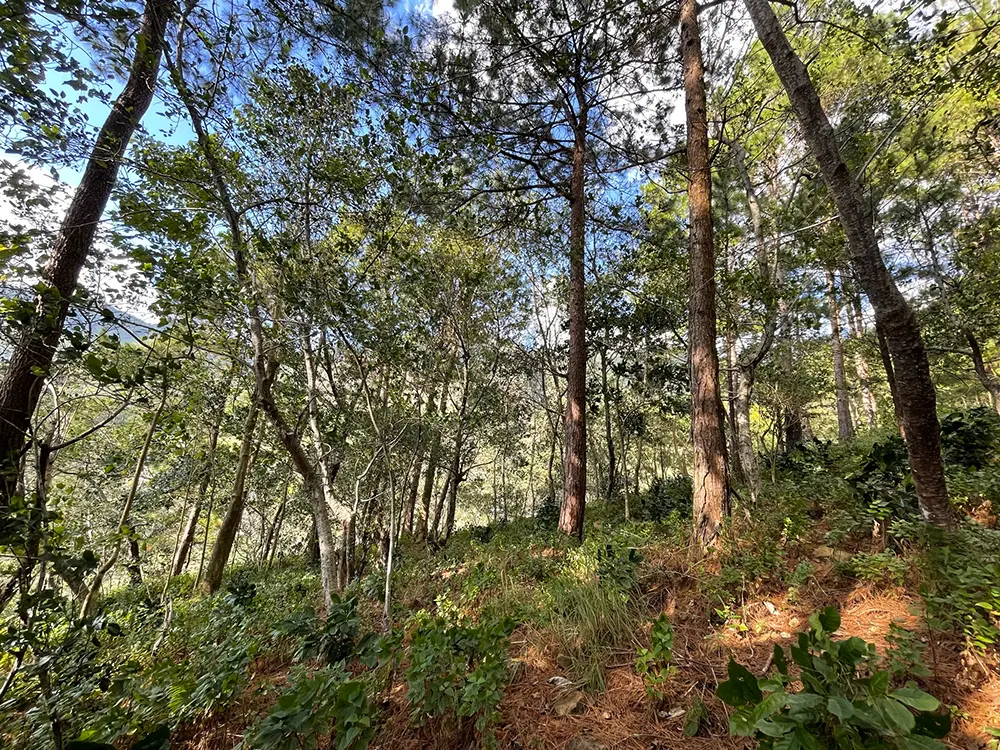
At that time, Sagpat was experiencing rapid deforestation as land was being converted for the farm of sayote, a species of gourd. With the help of a local university, CGN developed an agroforestry plan. This involved planting Arabica coffee as the primary cash crop within Benguet pine forests. Arabica coffee was chosen because it suited the mountainous region’s elevation and climate, and the harvest could be stored and exported.
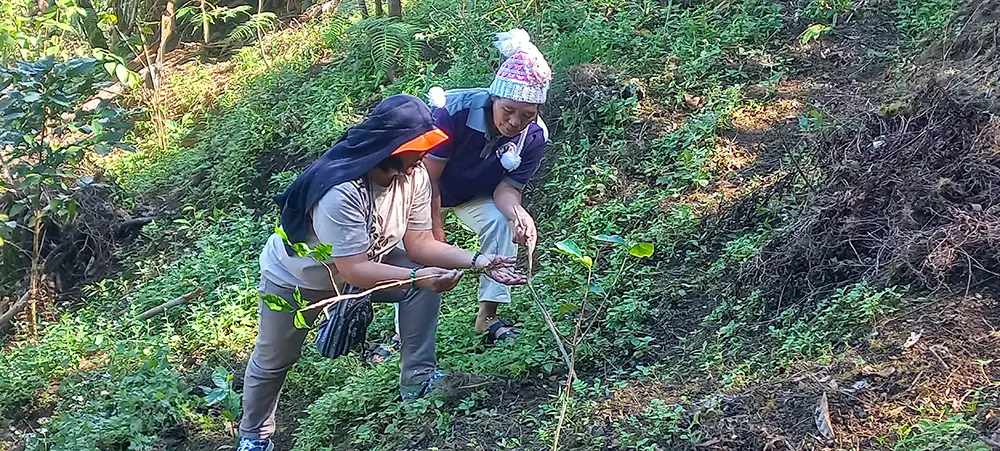
First, plant leguminous trees beneath the Benguet pines to enrich the soil, as well as tall shade trees for the coffee trees. Once these trees have grown sufficiently, plant Arabica coffee trees. Then grow crops such as ginger, beans and various fruits on the same land, for both indigenous food sources and for sale.
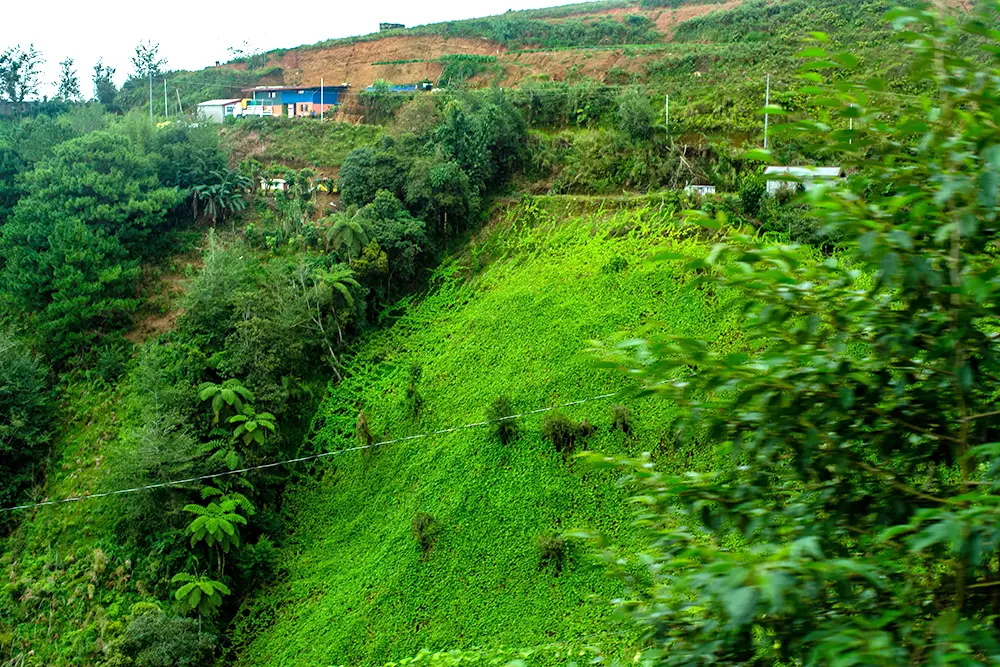
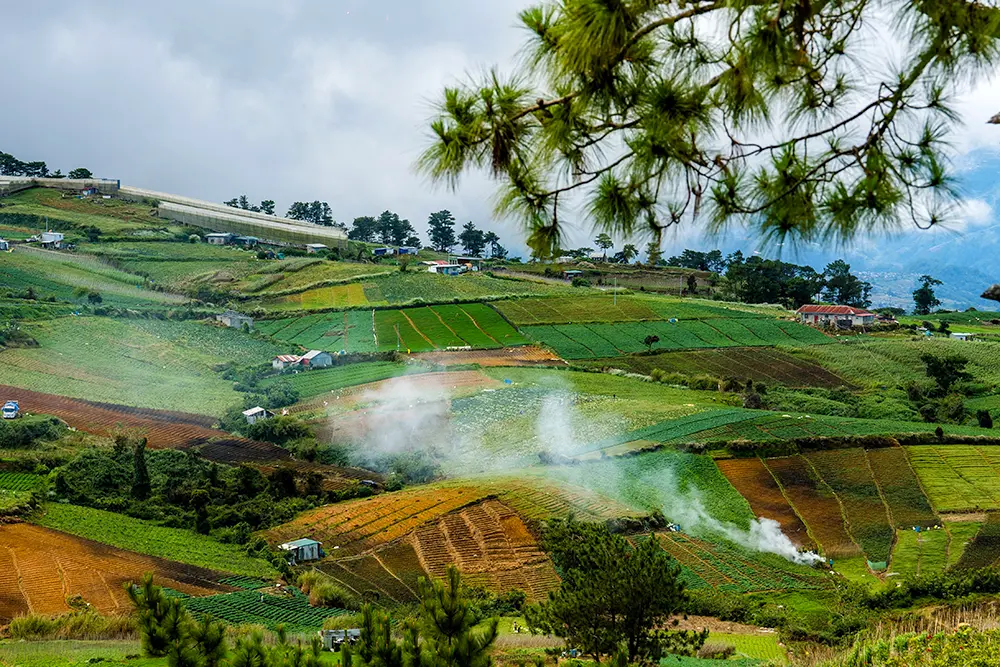
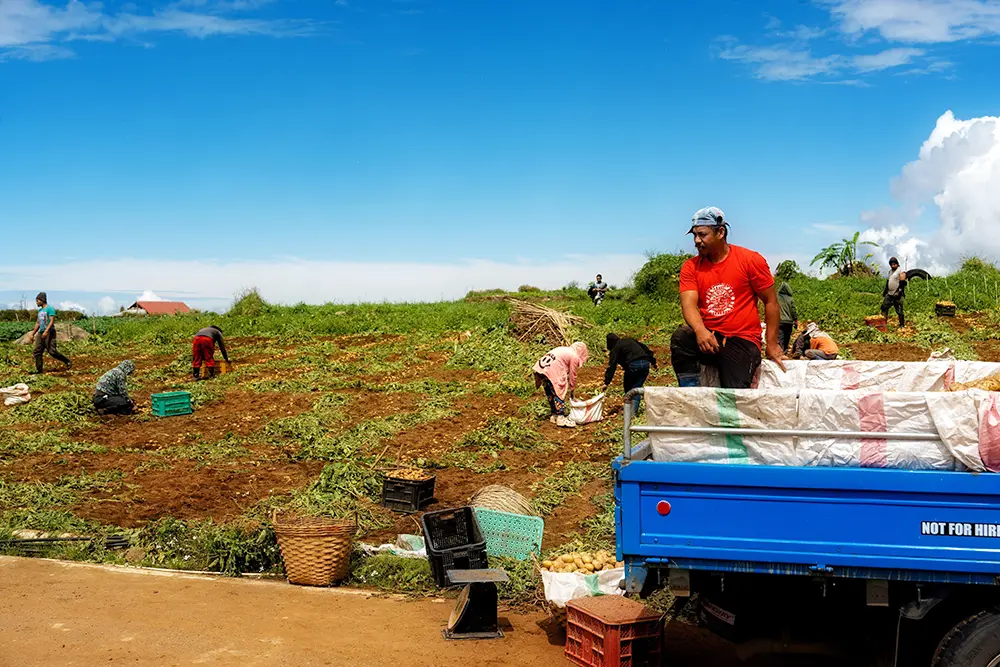
Arabica coffee trees take at least three years to reach harvest maturity, which was disliked due to the time it took, resulting in slow spread of coffee cultivation. In areas near roads, where it was convenient for distribution, efficient agriculture spread, involving the burning of forests to make way for monoculture crops such as cabbages and potatoes. Deep forests were rapidly transformed into brown farmland. This brought a series of environmental problems, including pesticide contamination of water sources, chronic water shortages, and landslides and soil erosion during heavy rains and typhoons.
A global surge in coffee prices, growing interest in sustainable agriculture in the wake of natural disasters, consistent guidance from CGN foresters and backing from government agencies have all played a part in the steady rise in the number of people establishing Arabica coffee plantations using agroforestry, particularly on sloping land. To date, CGN has planted one million seedlings as part of its agroforestry projects in various communities across the Cordillera mountain region, around 200,000 of which are Arabica coffee seedlings.
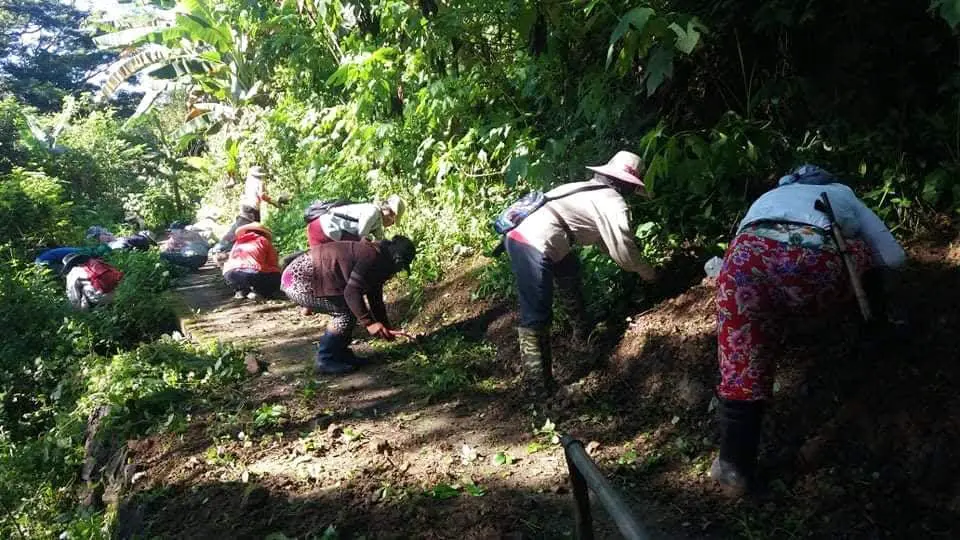
The project site for the ‘Migratory Bird and Coffee’ initiative, which is conducted jointly by CGN and Japan Bird Research Association, is located in Tadian in the Mountain Province. Tadian is a Kankanai tribal community bordering the province of Benguet, which has become a major commercial vegetable-producing area. CGN launched the project in Tadian in 2020 during the pandemic. Alongside planting native tree species in the community’s shared water source area with local volunteers, CGN distributed Arabica coffee seedlings to those interested in cultivating coffee. By 2024, around 22,000 seedlings had been planted on their ancestral lands.
We believe that the knowledge that indigenous peoples have passed down about how to survive in nature could provide a framework for addressing the problems that the world now faces, such as environmental destruction and pollution.
Although agroforestry may appear to be a new agricultural method, it actually shares many similarities with traditional practices that indigenous communities have long employed. These practices were carried out to conserve forests and water resources, thereby safeguarding the foundations of people’s livelihoods.
Related Articles
ルソン島北部の先住民による、森と水を守る伝統と現在の取り組みを追ったドキュメンタリー
マウンテン州タジャンでは「ラコン」と呼ばれる不文律のシステムで持続可能な土地管理が行われている。タジャンに住む先住民にとって、森と森の樹木は生きていく上で欠かせないものだ。それゆえに一定の家族やコミュニティが管理人となって、森を区分けしたエリア(その場所をラコンと呼ぶ)のマネージメントを請け負っている(土地を所有するのではない。森はコモンズであり、個人が所有できない)。ラコンでは必要であれば必要なだけ木を切ることもできるし、放牧をしたり果樹園に転換したりすることもできるが、森をまるごと焼き払って商業野菜の畑にするということはなかった。あくまでも持続可能な形で森を利用しながら維持管理してきたのだ。 現在、タジャンの村々の中には深刻な水不足に直面しているところがある。長老たちは在来種の森や草原が松林に代えられたことが水不足の原因と証言する。タジャンに住む先住民たちは、古来、水の精霊を敬い、それを祀る儀礼を行なってきた。しかし、住民のキリスト教化が進み、昔ながらの儀礼は若者たちに継承されずすたれつつある。また、近年では農地を拡大するための人為的な山火事が水不足の原因と考えられている。農地で使う農薬による水質汚染や土地の所有権をめぐる争いも起こっている。 タジャンでは、現在でも先人から継承したラコンシステムを踏襲して共有地でコミュニティ総出でボランティアで8植林をするなど森を守る活動が行われている一方で、大きな収入を生む化学農法による農地の拡大はすぐそこまで迫ってきているのだ。タジャンの人々は、その狭間でどんな選択をするべきなのか? 本ビデオ映像では、長老たちへのインタビューを中心に、先住民たちの古来の自然に宿る精霊たちとの対話のあり方、今も実践されている不文律の森林利用と保全のシステム、そして近代的な暮らしが入り込んでくる中でコミュニティに起こりつつある危機などに関する生の声を取材した。また、コミュニティのサポートを受けて、水の精霊に祈る儀礼「Legleg」と、今もかろうじて感謝祭として継承されている「Begnas」の映像も撮影することが出来た。いずれもたいへん貴重なものである。 「妊娠した犬に導かれて泉の湧く地に人々が住まったことがタジャンの起源」と映像の冒頭で語られているが、タジャンの人たちは水を守り、暮らしを守るためにどんな決断をするのだろうか? 2023年~2025年にフィリピンのマウンテン州タジャンで撮影企画:反町真理子(Cordillera Green Network)撮影・編集:Rainel Lee(SDS Multimedia)監修:Lily Jamias(Cordillera Green Network)字幕:Gladys Maximo(SDS Multimedia)制作:バードリサーチ助成:トヨタ財団 あらすじ タジャンの始まり このあたりにはキリンKilingと呼ばれる大きな台風がくる。ある年のキリン台風で、Batikanの大木の葉が吹き飛ばされた。何枚かの葉はNacacogに飛ばされ、MomoganやTabeyoの飛ばされた葉もあった。人々は葉っぱの飛んでいったところに移り住んだ。 時がたってTabeyoに移り住んだ人々は豚や犬などの家畜を飼っていた。あるとき妊娠したメス犬が姿を消して3日後に戻った。メス犬はどこかで子犬を産んだようだった。どこで子犬を産んだのかを確かめようと飼い主があとをつけて行ったら、Am-oに辿り着いた。そこからさらに辿っていくと今のタジャンの中心地近くに大きなTue(アカギ)の木があり、その木の下に泉が湧いていた。そこがメス犬が子犬を産んだ場所だった。人々は水の湧くこの地に移り住んだ。 ラコンという森林管理システム 古来、タジャンの人々は「ラコン」と呼ばれる不文律のシステムを通して、コミュニティの森林を管理してきた。 森林は石壁などで区分けされ、その管理を担当する一族や家族が、そのエリアから薪のための木を集めたり、キノコなどの山菜を採取したりし、利用しながら森林を維持している。もともとは、政府による事業で植林をしたことに端を発し、植樹地の管理をすることから管理をするようになったのがラコンの始まりという。管理者がいることで森に無作為に手が入らず守られていることは確かのようだ。 コミュニティが管理している共有林(ラコン)もある。住民たちは次世代に残す水源を守るために、環境自然資源省(DENR)によるそのラコン共有林での植樹活動に率先して参加している。多くの場合、植えられているのはフィリピンの固有種といわれるベンゲット松だ。 共有林の木は特別なケースに限ってコミュニティの人々によって使われることが許されている。例えば、誰かの家が火事で焼失してしまった時、人々は共有林で切った木の木材で、力を合わせて焼けた家の建て直しを行う。もちろん労働に従事する住民たちはボランティアだ。 誰かが亡くなった時に遺体を納める棺桶も、共有林から切り出した木材で住民たちがボランティアで作る。通夜や葬式の弔問者に供する料理に使う薪もまたコミュニティで用意する。 松の木が水不足の原因? 昔のタジャンを知る長老たちが、松の木が水不足に影響しているのではないかと証言する。 「今はすっかり松林に姿を変えてしまっているが、以前は草っぱらだった。でも、水は今よりふんだんにあった」「今は水がない。山火事のせいだと人は言う。もともと生えていた木が松の木に取って代わられて水がなくなったんだ」「水が不足して、田んぼも年に1回しか米を作れなくなった」「役人がやってきて松の木を植えさせたら水がなくなったんだ。川の水も明らかに減った」 水不足の時に水の精霊に祈る儀礼 昔から水不足の時はあった。「そういう時は、家畜を供儀してLeglegという儀礼を行なってきた。Leglegを執り行うものも今は少なくなったが、水不足がこんなに深刻なんだから、若い世代もLeglegの仕方を学んだほうがいい」「水の精霊だって腹に据えかねることがある。人間が糞の匂いが嫌いなのと同じだ。水の精霊だって洗剤とか農薬とかに我慢できなくなったのさ。だから水が枯れたんだ」 魔法のウナギの村 カグバタン村は「魔法のウナギ」がいる場所として知られている。運がよければ泉の岩のトンネルから巨大なウナギが顔を出すのを見ることができると言われていて、運試しにこの泉を訪れる人も多い。カグバタン村の人たちはいまでも水の精霊を祀るLeglegの儀礼を忘れていない。だからカグバタンには水がふんだんに湧き出るのだ。 しかし、以前、この泉のウナギが姿を消したことがあった。水が豊富だったから、水浴びや洗濯の場所になった。そうしたら、ウナギもそのほかの魚やエビもいなくなった。水浴びや洗濯場をほかの場所に移して、Leglegの儀礼を行なった。エビや魚は戻ってこなかったけど、ウナギだけは戻ってきた。 近代化で変わりつつある水の精霊との対話 レンガ村でも水の精霊に関する言い伝えがある。誰か亡くなった時は葬式が終わるまでは水源に近づいてはいけないと言われていた。今では水源からパイプが引かれるようになったが、以前は泉に水を汲みに行った。とくに朝早くに汲みに行ったときには、何者かに見られているような気がしたものだ。水の精の存在をなおざりにしてはいけない。 水源の農薬による汚染とそれを巡る争い 森林の農地への転換が急速に進んでしまったバウコに隣接するバナナウ村の農民は、農薬を大量に使う近代農法が広がって水源が汚染されたと話す。隣町の住民が使っている水源を畑に転換しようして、喧嘩になり裁判沙汰にまでなった。その争いは次世代にまで続いている。昔のように自分たちで食べるサツマイモを作っていたら水源の汚染なんて起きなかったはずだ。 政府もPEPOという新しい法令で環境を守ろうと動き出した。年に何回も農薬という毒をまく野菜栽培でなく、果樹を植えて環境を守れという。実際に畑での労働に従事しているのは畑の持ち主ではない。雇われた労働者たちだ。だから、なかなか状況を変えるのは難しい。 山火事を防ぎ、木を増やし、水を守るためのコミュニティの活動 タジャンではガラティスというコミュニティの協働作業の伝統が受け継がれていて、村のリーダーの音頭で各戸から最低一人は参加して植林を行っている。地域の学校も参加して教員やPTA、小学生も高学年は参加している。 タジャンでは山火事を起こした者にはペナルティが課されてきた。山火事を起こさないためにコミュニティのリーダーたちが決めたルールだ。 山火事が起こらなかった年は湧き水の量が安定している。山火事が水不足を生んでいるのは確かだ。山に火を入れたものへの罰則は以前は長老たちによって決められ口頭で伝えられていたが、今の時代にはそれでは効力がない。条例に組み込んで文書化しなければいけない。 先住民の伝統と近代化の折り合い 先住民の血には先祖代々受け継がれてきた伝統が流れている。それを取り除くことはできない。キリスト教と伝統文化の間に折り合いを見出さないといけない。儀礼の際に豚の代わりに鶏をつぶすことにするなどだ。 動画右下の歯車アイコンで英語字幕を表示したあとに自動翻訳で日本語を選ぶと、日本語字幕を表示できます。