

Migratory birds winter on agroforestry coffee farms

Photo: Gladys Maximo

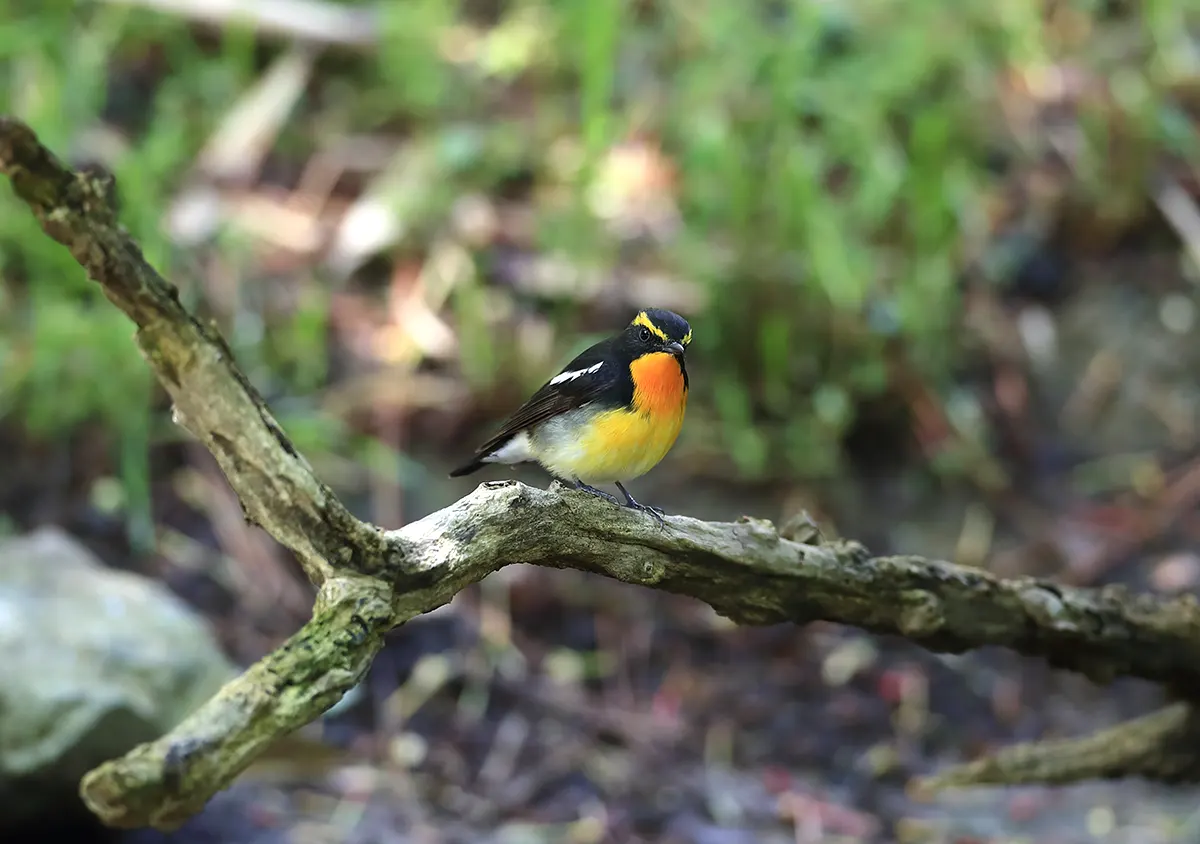
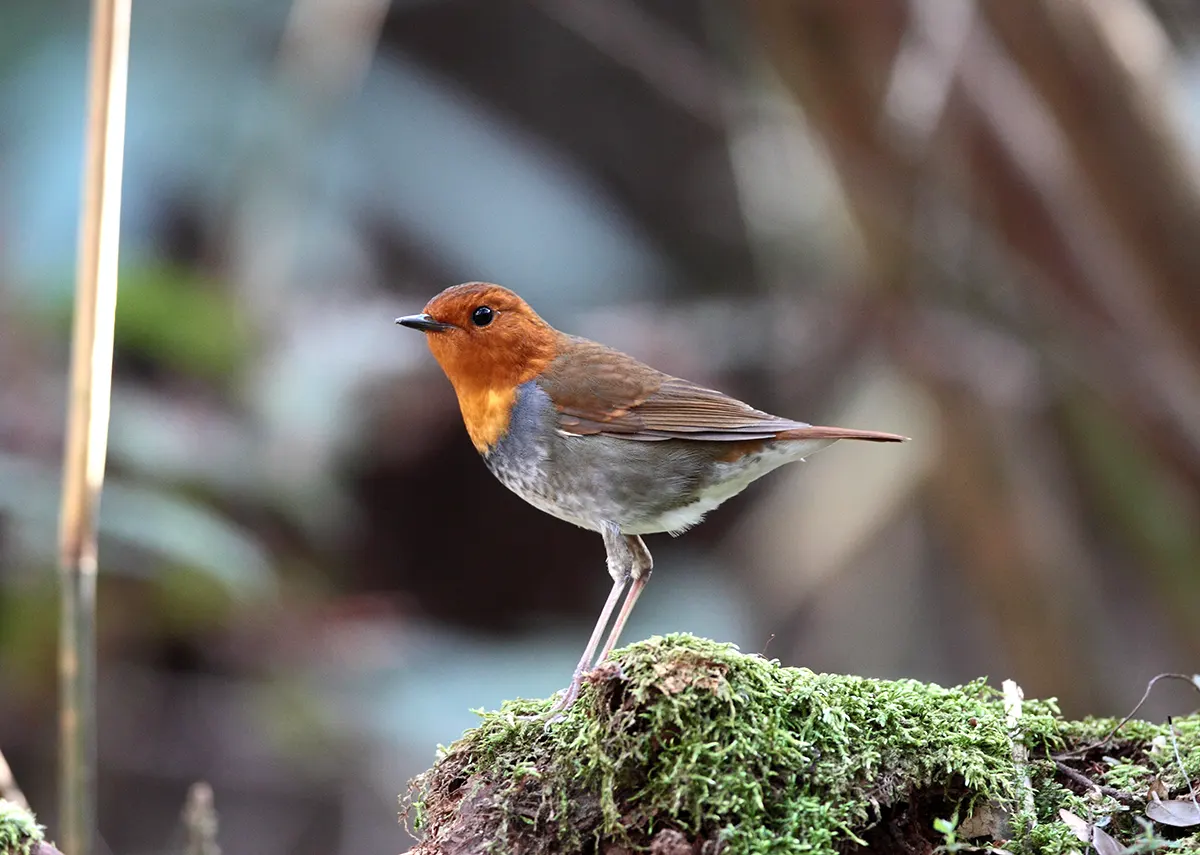
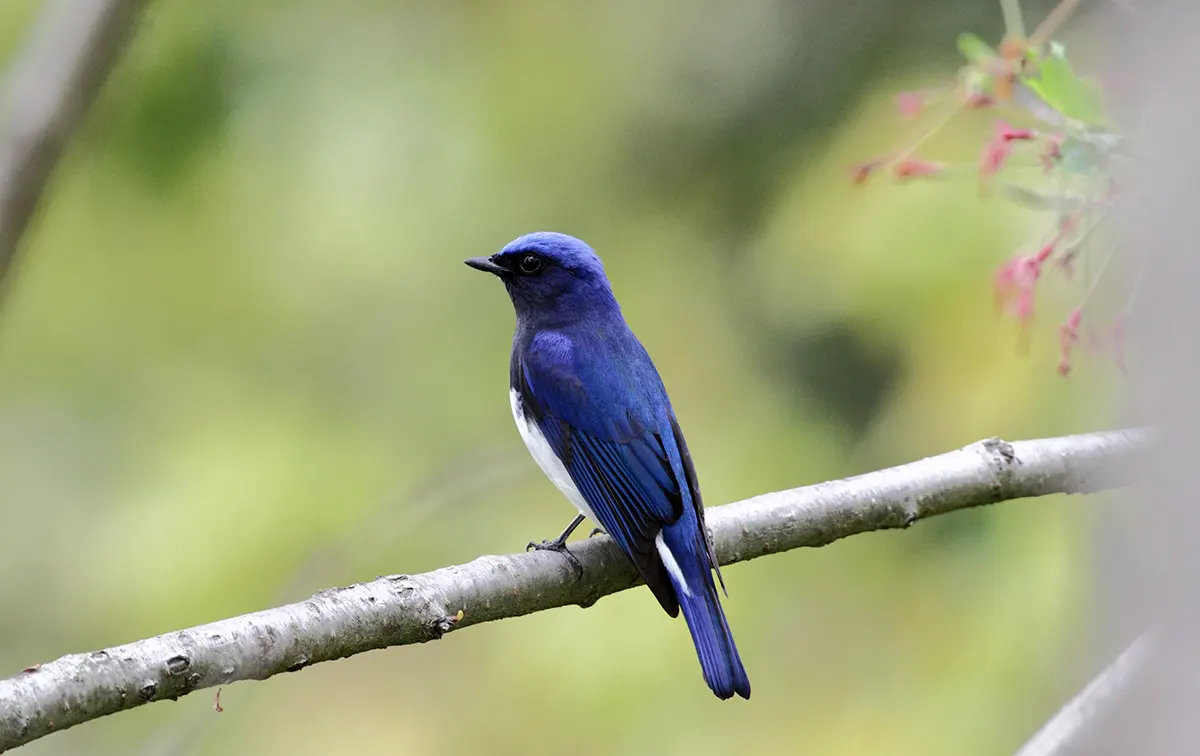
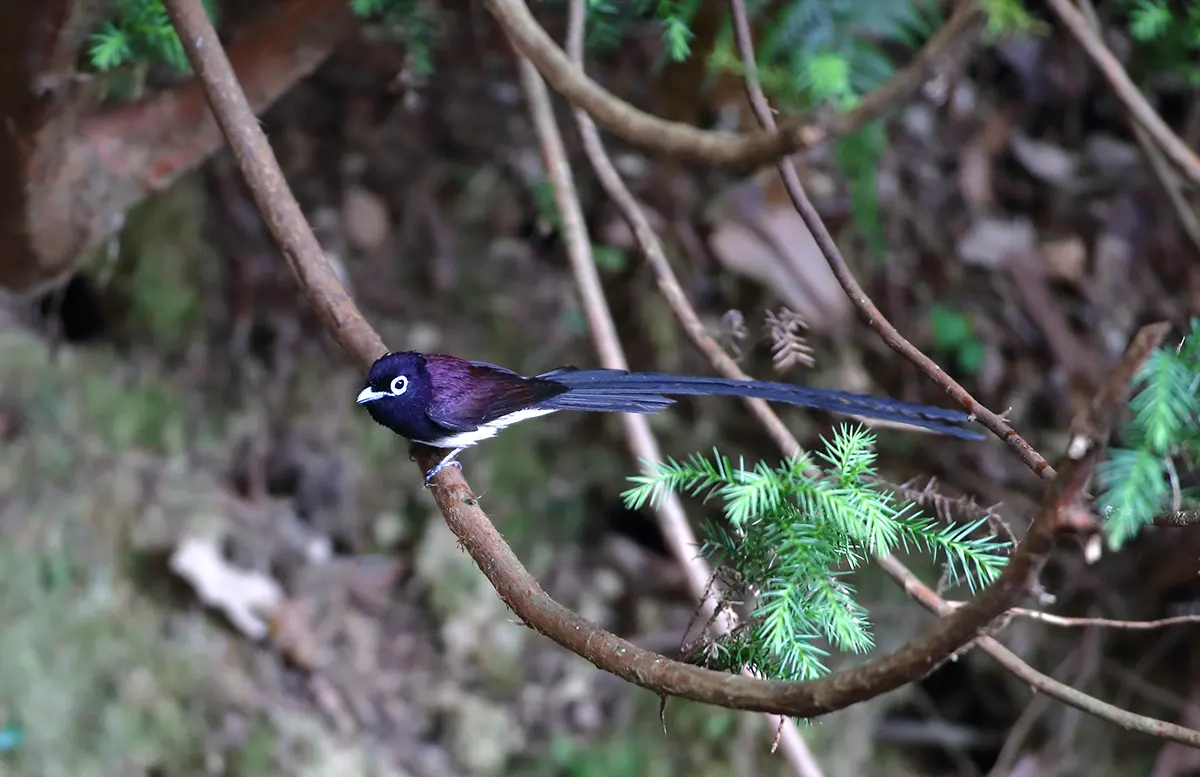
 Japan is home to around 600 species of bird, many of which are migratory. Those that breed in Japan from spring to summer and spend the winter in Southeast Asia are often small, beautifully plumaged birds with lovely songs, which makes them popular with birdwatchers. However, the shrinking of Southeast Asian forests due to logging, oil palm cultivation and conversion to farmland is reducing these birds’ wintering habitats.

Popular migratory birds that breed in Japan

Photo: MIKI Toshifumi

 So-called common bird species are numerous and widely distributed in both their breeding and wintering grounds. An effective conservation measure for these species is to maintain the natural habitats while practising agriculture. The equatorial regions where these birds overwinter are coffee-producing areas. Since coffee plants are sensitive to direct sunlight, they are usually grown under the shade of tall trees. This practice allows for both coffee production and forest preservation. This method of growing crops while retaining forests is called agroforestry. As well as coffee, diverse crops such as fruit, beans and tubers are often interplanted.

A mountain covered with vegetable farms that extend to its summit. Such scenes are common throughout central Luzon.
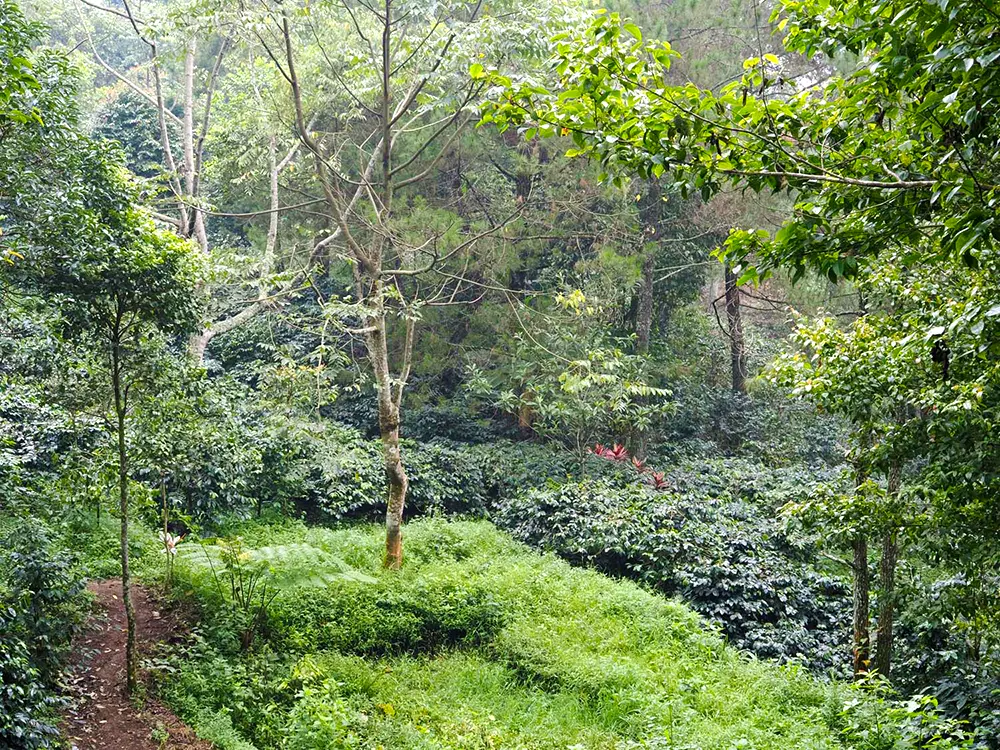
 We began monitoring birds at agroforestry coffee farms in the Philippines and Indonesia. Although the surrounding forests have been converted into vegetable fields, we discovered that many birds inhabit the coffee plantations. By choosing to purchase coffee grown in such environments, you can help to protect the wintering grounds of both resident and migratory birds.

An agroforestry coffee farm in central Java, Indonesia.
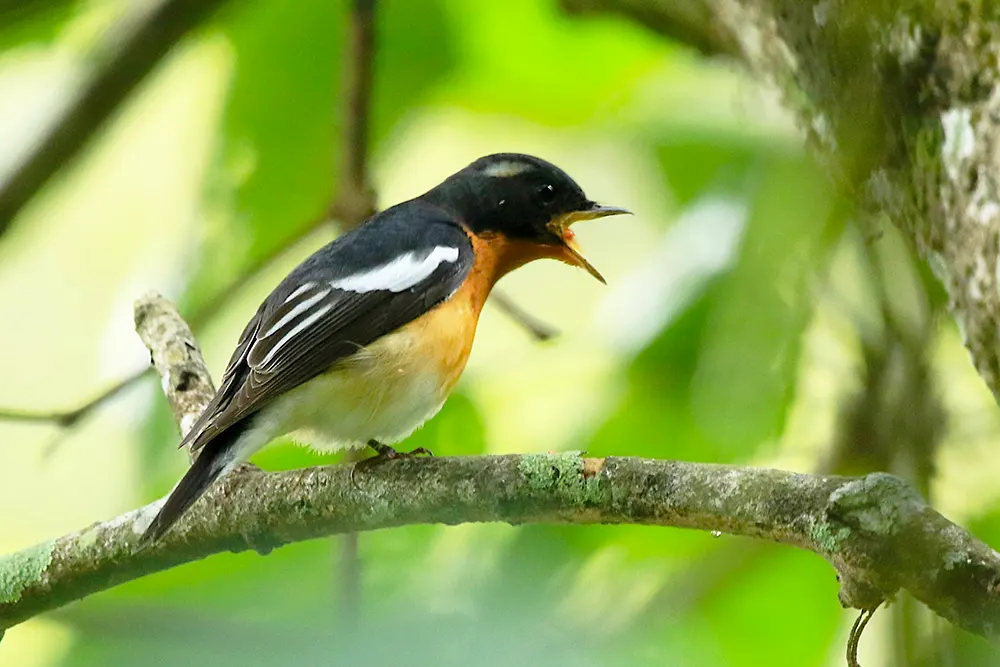
A Mugimaki Flycatcher observed in the above farm.(photo: Sam Ade 18)

Related Articles